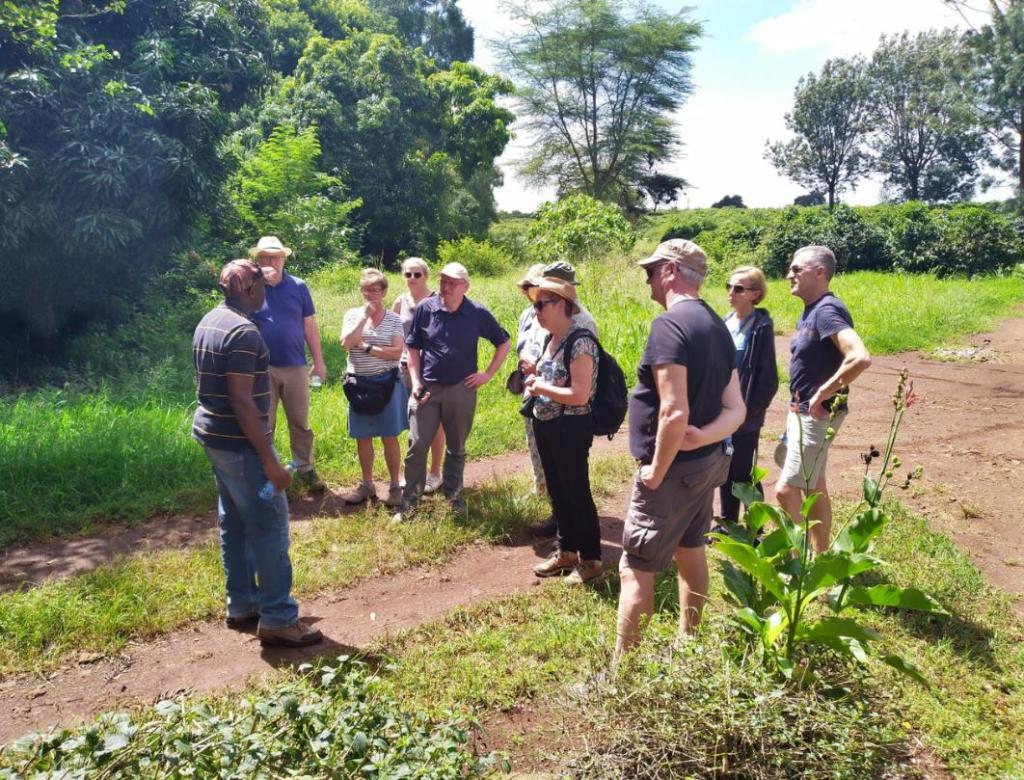
Kenya is famous for its wildlife, but the country offers plenty of experiences beyond traditional game drives. Farm tours Kenya allow visitors to see how agriculture supports local communities while exploring landscapes that are often missed on conventional itineraries. They can add an educational and more local dimension to a trip
Discover Kenya Through Its Farms
Agriculture plays an important role in Kenya’s economy and daily life. From coffee and tea plantations to fruit farms and small-scale agricultural projects, farms reveal another side of the country.
A farm visit can show travellers how local produce moves from the soil to the market. Some farms also introduce visitors to traditional farming methods. Others focus on modern techniques, conservation, or sustainable agriculture.
Farm experiences can vary widely by region. The climate, soil, and altitude influence what farmers grow. The central highlands, for example, are known for fertile agricultural land. Other areas support different crops and livestock.
For visitors, these experiences provide more than photographs. They create opportunities to meet local people and understand how agriculture connects with Kenyan communities.
A well-planned farm tour in Kenya can suit families and travellers looking for a quieter activity between wildlife outings. Depending on the location, visitors may learn about coffee, tea, fruit cultivation, livestock, or sustainable farming practices.
Meet Wildlife in a Different Setting
Wildlife experiences do not always have to take place inside a national park. Some specialised attractions allow visitors to learn about animals in controlled environments.
A visit to a crocodile farm Nairobi can introduce visitors to crocodile behaviour, breeding, feeding, and conservation. Seeing these reptiles in a managed setting can offer a useful introduction to their role in aquatic ecosystems.
Crocodiles have an important role in aquatic ecosystems. They help maintain natural food chains and contribute to the balance of wetland environments. Learning about their behaviour can make a wildlife encounter more meaningful.
Visitors should always follow the rules provided by the attraction. Wildlife, even when kept in managed environments, deserves respect. Keeping a safe distance and avoiding unnecessary interaction helps protect both people and animals.
A crocodile-focused visit can work well for travellers interested in nature but looking for something different from the usual big-game experience. It can also be an engaging option for families with older children.
Add Local Experiences to Nairobi Itineraries
Nairobi is often used as the starting point for Kenyan adventures. However, the capital itself offers plenty of opportunities for exploration.
Travellers can combine cultural attractions, nature areas, museums, markets, and nearby wildlife experiences. This makes it possible to create an itinerary that reflects more than one aspect of Kenya.
When planning Nairobi tours and excursions, allow enough time for travel between attractions. Traffic can significantly affect journey times, especially during busy periods.
Local experiences can also provide useful context. A museum visit may explain Kenya’s history. A market can introduce visitors to local crafts and food traditions. A nature-focused attraction can highlight the country’s diverse ecosystems.
The best itineraries do not necessarily include the largest number of attractions. A balanced schedule often creates a better experience. Travellers have more time to appreciate each place instead of rushing from one stop to another.
For visitors staying in Nairobi for several days, adding a few carefully selected Nairobi tours excursions can provide variety without requiring extensive travel outside the city.
Plan a More Meaningful Kenyan Journey
A well-rounded trip to Kenya can combine wildlife, culture, agriculture, and local experiences. This approach allows travellers to see the country from different perspectives.
Before booking an activity, check what is included and how long the experience takes. Consider the season as well. Weather can influence road conditions, outdoor activities, and agricultural experiences.
Responsible tourism should also remain a priority. Choose experiences that respect animals, support local communities, and protect natural resources. Ask questions when the sustainability practices of an attraction are unclear.
Tour operators such as Ashford Tours may also help travellers combine these experiences into a practical itinerary. The focus should remain on creating practical and enjoyable experiences rather than simply filling a schedule.
Kenya rewards curious travellers. Its famous wildlife is only one part of the story. Farms reveal the importance of agriculture. Wildlife attractions offer closer educational encounters. Nairobi provides a gateway to history, culture, nature, and everyday Kenyan life.
Exploring these different sides of the country can turn an ordinary holiday into a richer travel experience. Instead of seeing Kenya through a single lens, visitors can experience the people, landscapes, wildlife, and traditions that make the destination distinctive.

